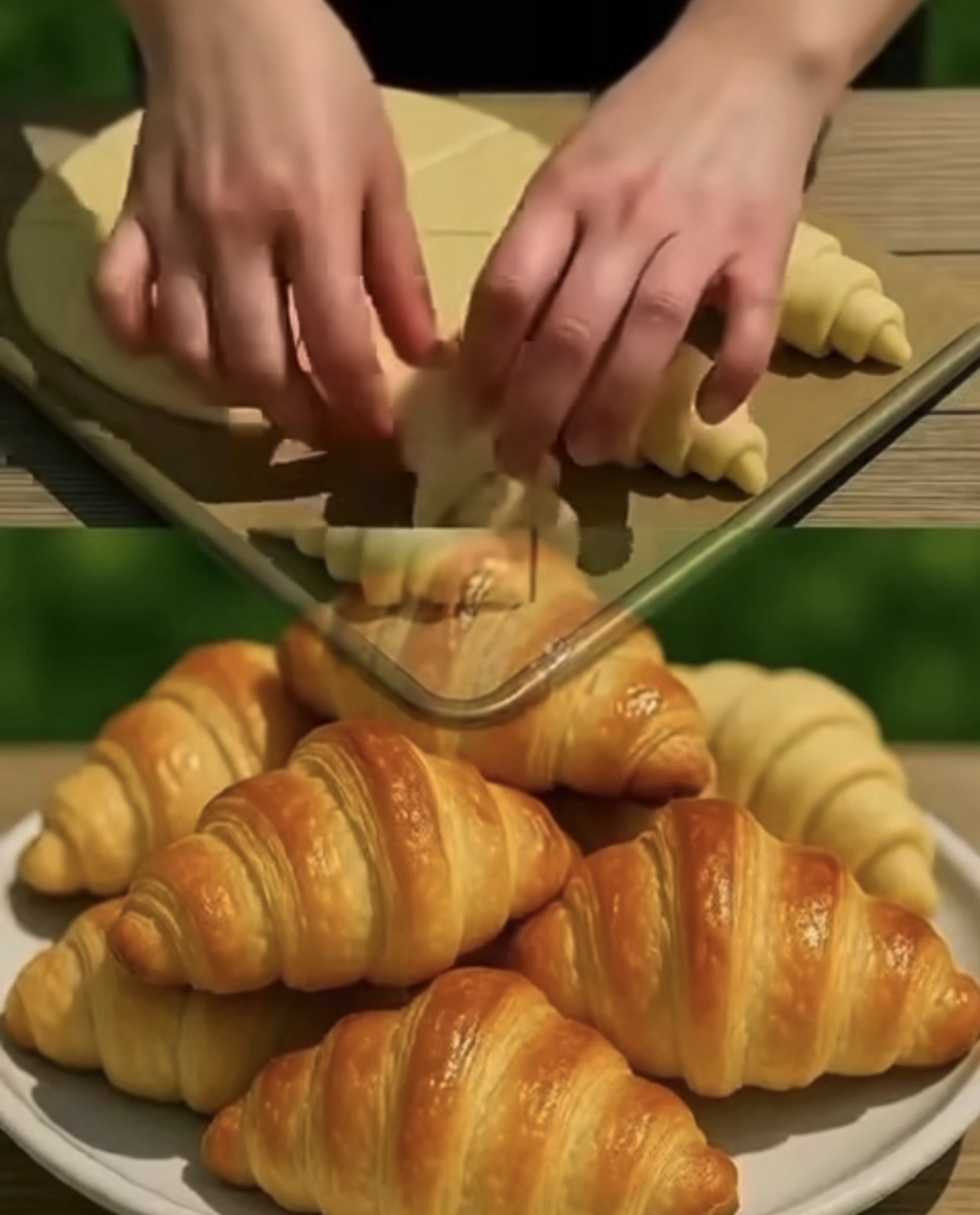
Classic buttery croissants are one of the most iconic pastries in the world. Known for their delicate, flaky layers and rich buttery flavor, croissants are a staple of French baking and a favorite breakfast treat worldwide. Making croissants at home may seem intimidating, but with the right guidance, patience, and technique, you can achieve bakery-quality results in your own kitchen.
This complete guide will walk you through everything you need to know about making authentic homemade croissants, from understanding laminated dough to mastering the folding process. Whether you’re a beginner or an experienced baker, this step-by-step tutorial will help you create perfectly golden, airy croissants every time.
What Makes a Classic Buttery Croissant Special?
A true French croissant recipe is defined by its laminated dough, which creates hundreds of thin, flaky layers. These layers are formed by folding butter into the dough multiple times, resulting in a light, airy interior and a crisp, golden crust.
- Flaky layers created through lamination
- Rich buttery flavor from high-quality butter
- Golden crispy exterior
- Soft, airy interior
- Versatile – perfect sweet or savory
Ingredients for Classic Croissants
Dough Ingredients
- 4 cups all-purpose flour
- ¼ cup granulated sugar
- 1 tablespoon instant yeast
- 1 ½ teaspoons salt
- 1 ¼ cups warm milk
- 2 tablespoons unsalted butter (softened)
Butter Layer (Lamination)
- 1 ½ cups unsalted butter (cold)
Egg Wash
- 1 egg
- 1 tablespoon milk
Ingredient Roles Explained
Ingredient Purpose Flour Provides structure Yeast Helps dough rise Butter Creates flaky layers Milk Adds richness Sugar Enhances flavor
Step-by-Step Classic Croissant Recipe
Step 1: Prepare the Dough
In a large bowl, mix flour, sugar, yeast, and salt. Add warm milk and softened butter. Mix until a dough forms, then knead lightly until smooth.
Step 2: First Rise
Cover the dough and let it rise for 1–2 hours until doubled in size. Refrigerate for at least 2 hours to chill.
Step 3: Prepare Butter Block
Place cold butter between parchment paper and flatten into a rectangle. Chill until firm but pliable.
Step 4: Laminate the Dough
Roll out the dough and place the butter block inside. Fold the dough over the butter and seal edges.
Step 5: Folding Process
Roll and fold the dough into thirds. Chill for 30–60 minutes. Repeat this process 3 times to create layers.
Step 6: Shape the Croissants
Roll out dough into a large rectangle. Cut into triangles and roll each into a crescent shape.
Step 7: Final Proof
Place shaped croissants on a baking tray and let them rise until puffy.
Step 8: Bake
Brush with egg wash and bake at 200°C (400°F) for 15–20 minutes until golden brown.
Expert Tips for Perfect Croissants
- Keep everything cold to prevent butter from melting
- Use high-quality butter for best flavor
- Be patient – resting time is crucial
- Don’t skip chilling between folds
- Roll evenly for consistent layers
Common Mistakes to Avoid
- Butter melting into dough
- Skipping resting time
- Overproofing or underproofing
- Using warm dough during lamination
Delicious Croissant Variations
1. Chocolate Croissants
Add chocolate bars before rolling for a sweet treat.
2. Almond Croissants
Fill with almond cream and top with sliced almonds.
3. Savory Croissants
Fill with cheese, ham, or herbs.
4. Mini Croissants
Make smaller versions for parties or snacks.
Serving Suggestions
- Serve warm with butter and jam
- Pair with coffee or tea
- Use for breakfast sandwiches
- Dust with powdered sugar for sweetness
Storage and Reheating
Storage
- Store at room temperature for 2 days
- Keep in airtight container
Freezing
- Freeze baked or unbaked croissants
- Store up to 2 months
Reheating
- Warm in oven at 180°C for 5–10 minutes
FAQs About Croissants
Why are my croissants not flaky?
This is usually due to improper lamination or butter melting.
Can I make croissants without a stand mixer?
Yes, you can mix and knead by hand.
How long does the process take?
Typically 1–2 days including resting time.
Can I use margarine instead of butter?
Butter is recommended for authentic flavor.
Conclusion
This classic buttery croissant recipe is a rewarding baking project that results in flaky, golden pastries with incredible flavor. While it requires patience and attention to detail, the final result is absolutely worth it.
Once you master this recipe, you’ll be able to create bakery-quality croissants at home and impress anyone who tastes them. With practice, your croissants will become lighter, flakier, and more delicious every time.