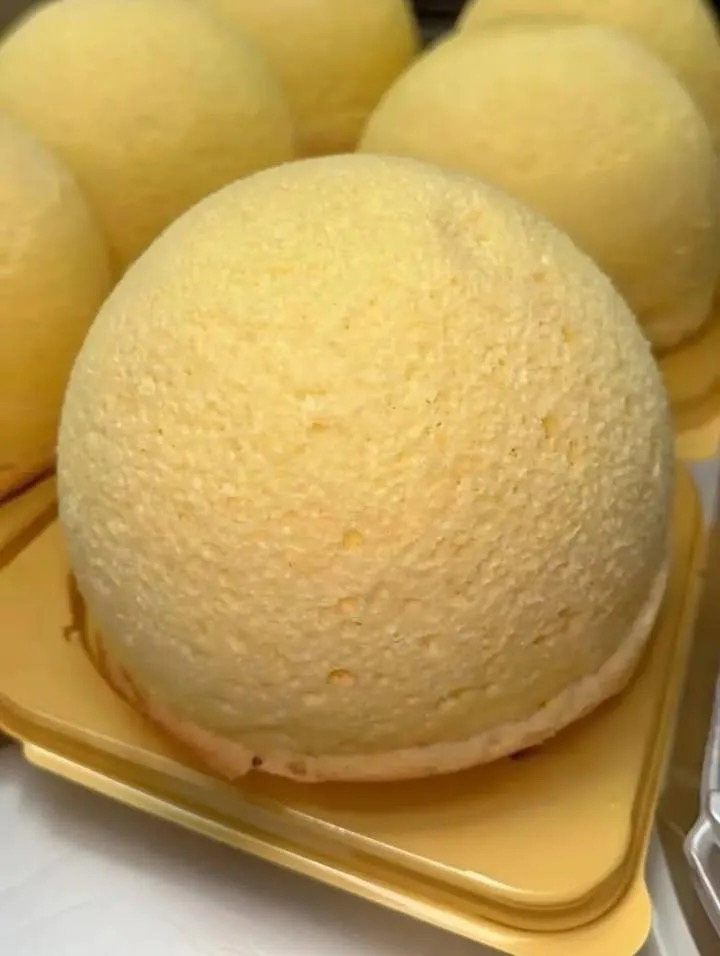
Japanese Soufflé Cheesecake Recipe – Fluffy & Light Delight
If you’ve ever dreamed of biting into a dessert that feels like a cloud, Japanese Soufflé Cheesecake is the ultimate treat. Known for its delicate texture and subtle sweetness, this cheesecake is a favorite among dessert enthusiasts worldwide. Unlike traditional dense cheesecakes, the Japanese version is light, airy, and melts in your mouth. In this comprehensive guide, you’ll learn everything from ingredients, step-by-step instructions, baking tips, variations, FAQs, to storage and serving ideas.
What Makes Japanese Soufflé Cheesecake Unique?
Japanese Soufflé Cheesecake is famous for its unique texture that combines the richness of cream cheese with the fluffiness of a soufflé. The secret lies in beaten egg whites folded into a cream cheese batter, which creates a soft, airy, and jiggly texture. This cake is less sweet and less dense than traditional cheesecakes, making it ideal for people who prefer lighter desserts.
Key Characteristics
- Light, airy, and soft texture
- Mildly sweet flavor, not overpowering
- Jiggly and fluffy, with a melt-in-your-mouth feel
- Can be baked in a water bath to prevent cracks
- Perfect for elegant presentations or everyday treats
Ingredients for Japanese Soufflé Cheesecake
To make the perfect soufflé cheesecake, it’s essential to use high-quality ingredients and precise measurements. Here’s a typical ingredient list for a 6–8 inch cake: IngredientAmount Cream Cheese (softened)200 g Unsalted Butter50 g Milk100 ml Cake Flour (sifted)60 g Cornstarch20 g Eggs (separated)5 large Sugar120 g (split into 2 parts) Vanilla Extract1 tsp Lemon Juice1 tsp
Step-by-Step Japanese Soufflé Cheesecake Recipe
Step 1: Preheat and Prepare
Preheat your oven to 160°C (320°F). Line a 6–8 inch round cake pan with parchment paper. Wrap the outside with aluminum foil to prevent water from seeping in during the water bath baking process.
Step 2: Prepare the Cream Cheese Mixture
- In a medium saucepan over low heat, melt 200 g cream cheese with 50 g butter and 100 ml milk. Stir continuously until smooth.
- Remove from heat and let it cool slightly.
- Add 5 egg yolks, 1 tsp vanilla extract, and 1 tsp lemon juice to the mixture. Mix until fully incorporated.
- Sift 60 g cake flour and 20 g cornstarch into the mixture and fold gently to combine. Set aside.
Step 3: Beat the Egg Whites
- In a clean mixing bowl, whisk 5 egg whites until foamy.
- Gradually add half of the sugar (60 g) and continue whisking until soft peaks form.
- Gradually fold the beaten egg whites into the cream cheese mixture in three additions. Use a spatula and fold gently to maintain the airiness.
Step 4: Bake in a Water Bath
- Pour the batter into the prepared cake pan.
- Place the cake pan into a larger pan filled with hot water (about halfway up the cake pan sides).
- Bake at 160°C (320°F) for 50–60 minutes, or until the cake is golden and a toothpick inserted comes out clean.
- Turn off the oven and leave the cake inside for 10 minutes to prevent sudden temperature changes, which could cause cracks.
Step 5: Cool and Serve
Remove the cake from the water bath and let it cool to room temperature. Refrigerate for at least 4 hours or overnight to allow the flavors to set. Serve chilled with a dusting of powdered sugar or fresh berries.
Tips for Perfect Japanese Soufflé Cheesecake
- Use room temperature ingredients: This ensures smooth batter without lumps.
- Fold gently: Avoid deflating the egg whites to maintain fluffiness.
- Water bath baking: Prevents cracks and keeps the texture moist.
- Avoid overbaking: The cake should jiggle slightly in the center when done.
- Cooling gradually: Prevents the top from shrinking or cracking.
Variations of Japanese Soufflé Cheesecake
Matcha Japanese Cheesecake
Add 2–3 tsp of high-quality matcha powder to the batter for a green tea flavor. Pair with white chocolate or sweet red bean paste for an authentic Japanese touch.
Chocolate Soufflé Cheesecake
Incorporate 50 g melted chocolate into the cream cheese mixture. Fold carefully with egg whites for a chocolatey, airy cheesecake.
Fruit-Infused Cheesecake
Add fruit puree such as strawberry, mango, or blueberry to the batter before folding in the egg whites. This creates a refreshing, fruity version perfect for summer desserts.
Serving Suggestions
- Top with a light dusting of powdered sugar
- Serve with fresh berries like strawberries, raspberries, or blueberries
- Pair with whipped cream or a light fruit coulis
- Perfect as a dessert for special occasions, afternoon tea, or casual indulgence
Storage and Reheating
Storage
Japanese Soufflé Cheesecake should be stored in the refrigerator, tightly covered, for up to 4 days. Avoid leaving it at room temperature for extended periods as it may lose its soft texture.
Freezing
You can freeze the cheesecake for up to 1 month. Wrap tightly in plastic wrap and aluminum foil. Thaw in the refrigerator overnight before serving.
Reheating
For a warm, soft texture, gently reheat slices in a microwave for 10–15 seconds. Avoid overheating to preserve the delicate fluffiness.
Frequently Asked Questions (FAQs)
Why is my Japanese Soufflé Cheesecake not fluffy?
This usually happens if the egg whites were overmixed or deflated during folding. Always fold gently and ensure the egg whites form soft peaks before incorporating.
Can I make this recipe without a water bath?
While possible, a water bath is highly recommended. Baking without it can lead to cracks and a less soft texture.
Why does my cheesecake sink in the middle?
This can occur if the oven temperature is too high or the cake is underbaked. Bake slowly at a low temperature and allow gradual cooling in the oven.
Can I make this gluten-free?
Yes! Replace cake flour with a gluten-free all-purpose flour blend. Cornstarch helps maintain the airy texture.
How long does it last in the fridge?
Properly stored, Japanese Soufflé Cheesecake lasts 3–4 days in the refrigerator.
Additional Tips for Home Bakers
- Use a non-stick or silicone spatula for folding egg whites.
- Always sift flour and cornstarch to avoid lumps.
- Ensure the water in the water bath is hot but not boiling.
- Room temperature eggs whip better and yield a fluffier texture.
- Use an oven thermometer to maintain consistent temperature for perfect results.
Conclusion
Mastering Japanese Soufflé Cheesecake might seem challenging at first, but with attention to detail and careful technique, anyone can achieve this fluffy, melt-in-your-mouth dessert. Its light texture, subtle sweetness, and elegant appearance make it ideal for both everyday indulgence and special occasions. Experiment with flavors like matcha, chocolate, or fruit to add your unique twist. Whether you’re a seasoned baker or a curious beginner, this recipe promises a rewarding experience and a show-stopping dessert that everyone will love.
Enjoy the process, savor each bite, and impress your friends and family with your airy, soft, and delicious Japanese Soufflé Cheesecake!