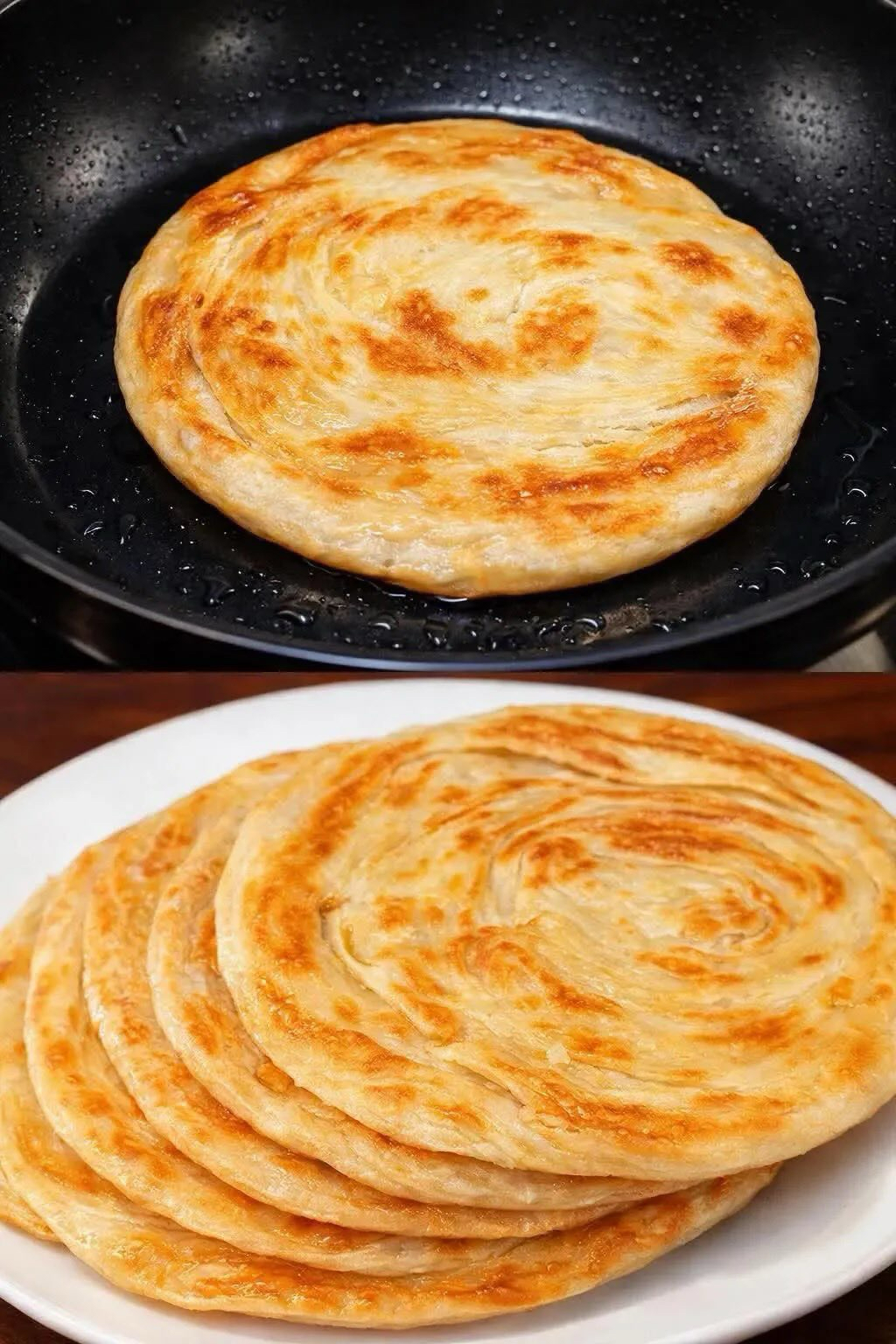
Lachha Paratha is one of the most beloved traditional flatbreads in South Asian cuisine, known for its irresistible flaky layers, buttery texture, and crispy golden finish. Unlike regular paratha, Lachha Paratha stands out because of its beautiful spiral layers that create a delightful crunch with every bite.
This detailed guide will walk you through everything you need to know—from the history of Lachha Paratha to expert techniques that guarantee perfectly layered results every single time. Whether you’re a beginner or an experienced home cook, this guide will elevate your flatbread game.
What is Lachha Paratha?
Lachha Paratha is a multi-layered flatbread made from whole wheat flour (atta) or all-purpose flour. The word “lachha” means layers, which perfectly describes its signature texture. The dough is rolled, folded, coiled, and rolled again to create delicate layers that puff up beautifully when cooked.
It is commonly served with curries, grilled meats, or even enjoyed on its own with a bit of butter or yogurt. The texture is both crispy on the outside and soft inside, making it incredibly satisfying.
Why You Will Love This Recipe
- Perfect flaky layers every time
- Crispy, buttery texture
- Simple ingredients
- Versatile and pairs with many dishes
- Authentic restaurant-style results at home
Ingredients
- 2 cups whole wheat flour (or all-purpose flour)
- 1 teaspoon salt
- 1 tablespoon oil or ghee
- ¾ cup water (adjust as needed)
- Extra flour for dusting
- Ghee or butter for cooking
Step-by-Step Instructions
Step 1: Prepare the Dough
In a large bowl, combine flour and salt. Add oil or ghee and mix well. Gradually add water and knead into a soft, smooth dough. Knead for at least 8–10 minutes until elastic. Cover and let it rest for 30 minutes.
Step 2: Divide the Dough
Divide the dough into equal-sized balls. Roll each ball into a smooth round shape.
Step 3: Roll and Layer
Roll one dough ball into a thin circle. Brush with ghee and sprinkle some dry flour. Now start folding like a fan or pleating from one end to the other.
Step 4: Shape the Spiral
Take the pleated strip and roll it into a spiral (like a cinnamon roll). Press lightly and let it rest for 5–10 minutes.
Step 5: Roll Again
Gently roll the spiral into a flat disc. Do not press too hard to preserve the layers.
Step 6: Cook the Paratha
Heat a skillet or tawa over medium heat. Place the paratha and cook until bubbles appear. Flip, apply ghee, and cook until golden brown and crispy on both sides.
Step 7: Fluff the Layers
Once cooked, gently crush the paratha between your hands to separate the layers. Serve hot.
Secret Tips for Perfect Lachha Paratha
- Always let the dough rest for better elasticity
- Use enough ghee between layers for flakiness
- Do not over-roll the final disc
- Cook on medium heat for even crispiness
- Fluff immediately after cooking
Common Mistakes to Avoid
- Skipping the resting time
- Using too much pressure while rolling
- Not using enough fat between layers
- Cooking on very high heat
Variations of Lachha Paratha
1. Butter Lachha Paratha
Extra butter is added during cooking for a richer flavor.
2. Garlic Lachha Paratha
Add minced garlic and herbs between layers for enhanced taste.
3. Whole Wheat Healthy Version
Use 100% whole wheat flour for a healthier alternative.
4. Stuffed Lachha Paratha
Add fillings like potatoes, paneer, or minced meat.
Serving Suggestions
Lachha Paratha pairs beautifully with:
- Butter chicken
- Paneer butter masala
- Lamb curry
- Dal makhani
- Yogurt and pickles
How to Store and Reheat
Storage
Store cooked parathas in an airtight container in the refrigerator for up to 3 days.
Freezing
You can freeze uncooked or half-cooked parathas with parchment paper between layers.
Reheating
Reheat on a skillet with a bit of butter until crispy again.
Nutrition Information (Approximate)
- Calories: 250–300 per paratha
- Carbohydrates: 35g
- Protein: 6g
- Fat: 10–12g
Why This Recipe Works
The secret behind Lachha Paratha lies in the layering technique. The combination of folding, coiling, and rolling creates air pockets that expand when heated, resulting in flaky layers. The use of ghee enhances both flavor and texture.
Expert Cooking Techniques
Professional chefs recommend using a combination of stretching and gentle rolling to preserve layers. Always cook on a heavy-bottom pan to ensure even heat distribution.
Frequently Asked Questions
Can I use all-purpose flour?
Yes, it will give a softer texture compared to whole wheat.
Why are my parathas not flaky?
You may not be layering properly or using enough fat.
Can I make it vegan?
Yes, substitute ghee with oil.
Conclusion
Lachha Paratha is more than just a flatbread—it’s an art. With its crispy edges, soft layers, and rich buttery flavor, it’s a dish that brings comfort and satisfaction to any meal. By following this guide, you can recreate authentic, restaurant-quality Lachha Paratha right in your own kitchen.
Take your time to practice the layering technique, and soon you’ll master one of the most iconic breads in South Asian cuisine.