San Sebastian Cheesecake – Perfect Burnt Basque Cheesecake Recipe
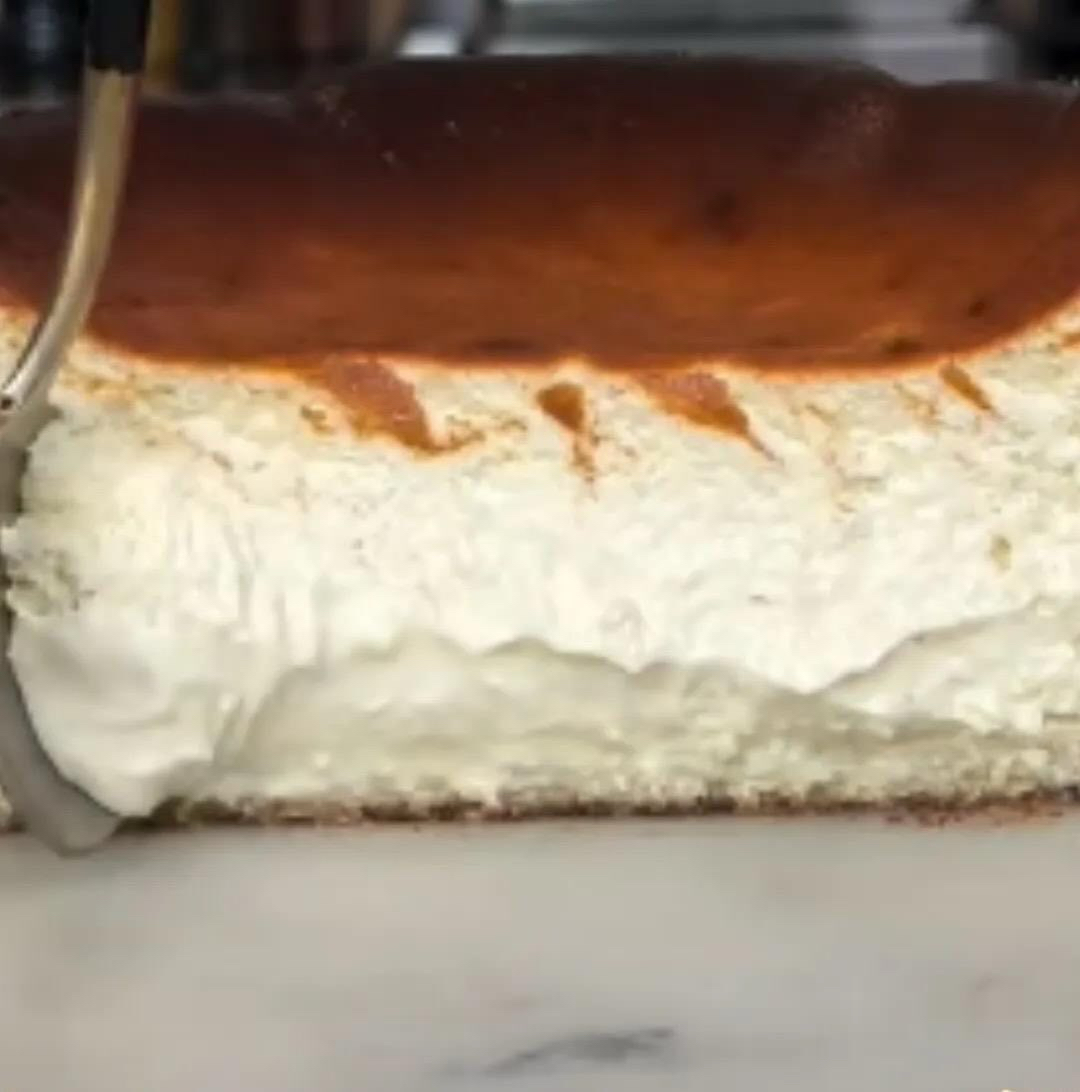
The San Sebastian Cheesecake, also known as Burnt Basque Cheesecake, has taken the dessert world by storm. Its signature burnt top, caramelized and slightly smoky, perfectly contrasts with the rich, creamy, custard-like interior. This cheesecake is more than just a dessert—it’s an experience, a story baked into every slice, originating from the heart of San Sebastián, Spain.
Why San Sebastian Cheesecake is So Special
Unlike traditional cheesecakes, the Burnt Basque Cheesecake requires high-heat baking, which gives the top its characteristic dark color and intense flavor. The center remains luxuriously soft, making it almost like a custard. Its texture is unique, creamy yet firm enough to slice beautifully, while its flavor is subtly tangy from cream cheese, balanced with sweetness and a hint of vanilla.
Ingredients for the Perfect Burnt Basque Cheesecake
Before we dive into the instructions, let’s gather the ingredients. Every ingredient matters for the perfect texture and flavor.
- 1 kg cream cheese (full fat, room temperature)
- 320 grams sugar
- 6 large eggs (room temperature)
- 30 grams fresh lemon juice
- 15 grams vanilla extract
- 5 grams sea salt
- 600 grams heavy whipping cream
- 30 grams all-purpose flour
Step-by-Step Instructions
Step 1: Preparing Your Pan
Preheat your oven to 200°C (390°F). Use a 24cm springform pan and line it with parchment paper, ensuring the paper rises at least 5cm above the pan. This will allow the cheesecake to expand and prevent overflowing. Proper pan preparation ensures a smooth removal and the perfect burnt edges.
Step 2: Mixing Cream Cheese and Sugar
Place the cream cheese and sugar into a large mixing bowl. Beat them on medium speed for 2–3 minutes until smooth and free of lumps. Using room-temperature cream cheese is crucial here—cold cream cheese will lead to a lumpy batter and uneven baking.
Step 3: Incorporating Eggs
Add the eggs one at a time, mixing well after each addition. This step ensures a smooth, emulsified batter. Overmixing can introduce air bubbles, which may create cracks on top, so mix gently once the eggs are incorporated.
Step 4: Adding Flavorings
Add fresh lemon juice, vanilla extract, and sea salt. Lemon juice brightens the flavor without making the cheesecake tangy, while vanilla enhances the creaminess and aroma. Sea salt balances the sweetness.
Step 5: Incorporating Cream and Flour
Slowly pour in the heavy cream while mixing gently. Then, sift the flour and fold it into the mixture. The folding motion keeps the batter airy and ensures even distribution of flour. Avoid overmixing to preserve the creamy texture.
Step 6: Baking Your Cheesecake
Pour the batter into the prepared pan. Bake at 200°C (390°F) for 50–60 minutes. The top should turn dark golden brown with slight cracks, while the center jiggles slightly. The high temperature is key to the burnt top and creamy interior. Avoid opening the oven during baking, as temperature fluctuations can affect the texture.
Step 7: Cooling and Chilling
Allow the cheesecake to cool completely at room temperature for about 2 hours. Then, refrigerate for at least 4 hours, preferably overnight. This chilling step solidifies the cheesecake and enhances its flavor, allowing the cream and cheese to fully meld.
Step 8: Serving
Remove the cheesecake from the pan, carefully peel away the parchment paper, and slice with a warm knife for clean edges. Serve chilled. The first bite should reveal the contrast between the caramelized top and creamy interior—a perfect harmony of textures and flavors.
Tips for a Perfect San Sebastian Cheesecake
- Use full-fat, room-temperature cream cheese for smoothness.
- Do not overbake—the center should be soft and slightly wobbly.
- The burnt top is intentional and gives the cheesecake its signature flavor.
- Serve with fresh berries, caramel sauce, or a dusting of powdered sugar.
- Use a high-quality heavy cream for rich, custardy texture.
History of Burnt Basque Cheesecake
The Burnt Basque Cheesecake was created in the 1990s at La Viña Restaurant in San Sebastián, Spain. Chef Santiago Rivera wanted a cheesecake that was less sweet, more custard-like, and unique in appearance. By baking at high heat, the top became caramelized and slightly burnt, giving it a deep flavor contrast. The dessert quickly gained international fame for its simplicity and decadence.
Variations and Flavor Ideas
While the classic cheesecake is perfect on its own, you can experiment with several variations:
- Chocolate swirl: Add cocoa powder to half the batter and swirl for a marbled effect.
- Citrus infusion: Add orange zest or a teaspoon of liqueur to the batter for extra aroma.
- Fruit topping: Fresh strawberries, blueberries, or raspberries complement the creamy interior beautifully.
- Caramel or coffee: Drizzle caramel sauce or add a hint of espresso for a gourmet touch.
Serving Suggestions
San Sebastian Cheesecake is versatile:
- As a centerpiece dessert for dinner parties or special occasions.
- Paired with fresh fruits for brunch or afternoon tea.
- With a scoop of vanilla ice cream for an indulgent treat.
FAQs
Can I make this cheesecake in advance?
Yes! The cheesecake tastes even better after chilling overnight. This allows the flavors to fully develop and the texture to firm up for easier slicing.
Do I have to use heavy cream?
Yes, heavy cream is essential to achieve the creamy, custard-like interior. Milk or low-fat substitutes will not provide the same texture or richness.
Why is the top burnt?
The burnt top is intentional. High-heat baking caramelizes the sugars in the batter, producing a deep flavor and signature appearance.
How do I prevent cracks?
Using room-temperature ingredients, gentle folding, and avoiding overbaking will minimize cracks. A slight crack is normal and part of the cheesecake’s charm.
Conclusion
The San Sebastian Cheesecake is a dessert that combines elegance, indulgence, and simplicity. Its rich, creamy interior and signature burnt top make it an unforgettable treat. Perfect for celebrations, dinner parties, or a quiet indulgent evening, this cheesecake brings a touch of Spanish gourmet charm to your kitchen. With this recipe, anyone can create a bakery-quality dessert at home, delighting friends and family with every decadent slice.
Whether you serve it plain, with fruit, or with a drizzle of caramel, the Burnt Basque Cheesecake will leave everyone craving more. Master this recipe and you’ll have a signature dessert that’s both impressive and utterly delicious.